

Español
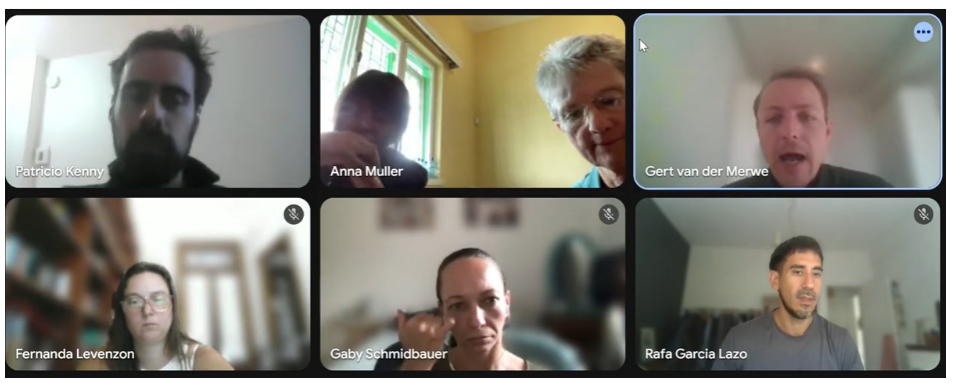
Por Rafael García Lazo, Patricio Kenny y Fernanda Levenzon
Entrevista a especialistas sobre la Flexible Land Tenure Act (Ley de tenencia flexible de la tierra) y los procesos de formalización de barrios populares en el país africano
Introducción: la “Ley de tenencia flexible de la tierra” (Flexible Land Tenure Act) como arquitectura jurídica incremental
En 2012, el Parlamento de la República de Namibia sancionó la Flexible Land Tenure Act (Act No. 4 of 2012) con el propósito de crear estrategias alternativas de seguridad en la tenencia sobre la tierra que sean más simples, más accesibles y menos costosas de administrar que el régimen tradicional de propiedad plena. La ley introduce nuevos instrumentos jurídicos —principalmente el starter title (título inicial) y el land hold title (título de tenencia intermedia)—, establece registros específicos para su administración y prevé un mecanismo de transición progresiva hacia la propiedad plena (freehold).
Los objetivos de la ley son explícitos: generar seguridad en la tenencia para personas que viven en asentamientos informales o acceden a vivienda de bajos ingresos, mediante un sistema de derechos escalonados que reconozca la realidad socioeconómica de amplios sectores de la población.
El esquema se estructura en tres niveles:
- Starter title (título inicial): otorga derecho a ocupar y construir en un terreno bajo un esquema colectivo, permite transferencia y herencia, pero no constituye dominio individual pleno.
- Land hold title (título de tenencia intermedia): reconoce derechos más cercanos al dominio individual, ya que —por ejemplo— admite la constitución y el registro de hipotecas, e incorpora una cuota indivisa sobre espacios comunes.
- Upgrading: permite transitar desde el starter title (título inicial) hacia el land hold title (título de tenencia intermedia) y, eventualmente, hacia la propiedad plena (freehold), bajo determinadas mayorías y condiciones. Para avanzar con este upgrading se requiere de la conformidad de, por lo menos, el 75% de los ocupantes, mediciones profesionales y el cumplimiento de normas urbanísticas (que en el caso del freehold son más estrictas).
El diseño normativo propone así una arquitectura jurídica incremental: no exige migrar de manera inmediata al dominio pleno, sino que habilita trayectorias progresivas de formalización. Es una experiencia interesante que permite una ampliación progresiva de la seguridad jurídica en la tenencia.
Entrevistados
Tapiwa Chipo Maruza
Especialista en mejoramiento de asentamientos informales
Namibia Housing Action Group (NHAG)
Anna Muller
Coordinadora nacional
Namibia Housing Action Group (NHAG)
Gert Van der Merwe
Docente de arquitectura
Namibia University of Science and Technology
Desalojos, estabilidad política y límites de la formalización
La conversación se inició con una pregunta central: ¿los desalojos constituyen un riesgo estructural en Namibia y qué papel juega la ley en ese escenario?
Según los entrevistados, la mayoría de los asentamientos informales se encuentran en tierras públicas, lo que reduce la conflictividad asociada a disputas con propietarios privados. Los desalojos no son sistemáticos ni masivos, pero pueden producirse de manera esporádica, a veces por decisiones municipales aisladas.
El problema más estructural aparece en el proceso de formalización urbana. La estabilidad de las políticas no es completamente independiente del contexto político y si bien la ley ofrece un procedimiento claro, su ejecución encuentra fuertes limitaciones:
“Nuestra política depende mucho de quién esté en la cima del poder. Con los cambios de autoridades, muchas decisiones se toman desde arriba”.
Namibia mantiene estándares urbanísticos que no siempre dialogan con la densidad real de los asentamientos. Cuando la formalización se intenta bajo parámetros rígidos, pueden generarse desplazamientos indirectos. No se trata de desalojos formales en sentido estricto, sino de desplazamientos que son fruto de incompatibilidades técnicas entre el trazado existente y el modelo urbano oficial.
Aquí emerge una tensión relevante: la formalización dominial puede ser, al mismo tiempo, una herramienta de protección y un factor de exclusión si los estándares urbanísticos no se adaptan a la realidad construida.
Seguridad en la tenencia como proceso incremental
Uno de los aportes más relevantes de la experiencia Namibia es la conceptualización de la seguridad en la tenencia como proceso incremental.
Tapiwa Maruza lo explica con claridad:
“Así como los hogares de bajos ingresos construyen sus viviendas de manera progresiva, la tenencia también puede desarrollarse de forma progresiva. No es necesario tener el título completo desde el inicio”.
El starter title (título inicial) permite reconocer un derecho básico de ocupación, construcción, transferencia y herencia, mientras el suelo permanece bajo un esquema colectivo. Este primer escalón genera estabilidad suficiente para iniciar mejoras habitacionales sin esperar la consolidación plena del dominio.
Posteriormente, el tránsito hacia el land hold title (título de tenencia intermedia) amplía las facultades del titular, acercándolo al régimen de propiedad individual y habilitando operaciones formales como el registro de hipotecas.
El enfoque del NHAG (Namibia Housing Action Group) prioriza desbloquear el desarrollo urbano: reorganización del trazado (reblocking), instalación de infraestructura básica, reconocimiento de ocupantes y fortalecimiento organizativo. El tipo final de título puede resolverse en una etapa posterior.
Este enfoque intenta evitar que la exigencia de perfección jurídica paralice procesos de mejora física y social.
Formalización, precariedad material y secuencia de intervención
Un punto crítico de la discusión es la secuencia entre regularización física y regularización dominial. En algunos municipios, las viviendas deben mantenerse como estructuras livianas y desmontables hasta que se entreguen los títulos. Si una familia construye con materiales permanentes antes de esto, la construcción puede ser demolida por las autoridades.
“Las personas quedan obligadas a vivir en estructuras temporales, en su mayoría de chapas de hierro corrugado, pero también de madera prensada y otros materiales reciclados. No pueden consolidar su vivienda porque el municipio necesita que las estructuras sean movibles para el reblocking”.
Esto genera una paradoja: en nombre de la futura formalización, se mantiene una precariedad presente. La demora en el reconocimiento dominial puede desalentar la inversión en mejoras constructivas. Esto ocurre especialmente en la ciudad de Windhoek, donde la mejora incremental de los asentamientos informales se ve bloqueada por los estrictos requisitos de formalización.
Tierra colectiva y vivienda individual: una arquitectura jurídica diferenciada
Uno de los rasgos más relevantes de la Ley de tenencia flexible de la tierra es la combinación entre componentes colectivos e individuales del derecho. Esta combinación no es uniforme, sino que adopta distintas formas según el tipo de título.
Inicialmente, la tierra pertenece colectivamente al grupo, mientras que la vivienda es individual. Cada hogar construye y es reconocido como titular de su casa, pero el suelo sobre el que se asienta permanece bajo una forma de propiedad grupal gestionada por una asociación. Esta distinción —tierra colectiva, vivienda individual— estructura la gobernanza interna del asentamiento y explica buena parte de las tensiones que emergen en la práctica.
Entonces, en el caso del starter title (título inicial), el esquema tiene un carácter predominantemente colectivo: aún no existe una subdivisión que delimite con cierta precisión a los distintos lotes y no hay aún una propiedad individual plenamente equiparable al dominio tradicional.
En cambio, el land hold title (título de tenencia intermedia) introduce una estructura más definida. El titular tiene derechos similares a los del propietario sobre su parcela y, además, posee una cuota indivisa en la propiedad común del conjunto, igual para todos los lotes. Aquí la dimensión colectiva no desaparece, pero se reconfigura jurídicamente.
La entrevista revela que esta arquitectura mixta no es un detalle técnico. Cuando la tierra es colectiva, por ejemplo, la facturación municipal suele emitirse al grupo en su conjunto, lo que genera conflictos cuando algunos miembros incumplen. A su vez, algunos habitantes expresan resistencia a la propiedad colectiva no por rechazar la organización comunitaria, sino porque no desean compartir responsabilidades financieras con otros hogares.
La ley intenta ordenar esta tensión: reconoce la individualidad de la vivienda y del derecho del hogar, pero mantiene un componente colectivo en la estructura del suelo. El resultado es un modelo híbrido que busca equilibrar autonomía individual, organización comunitaria y viabilidad administrativa.
Consideraciones finales
La experiencia Namibia muestra un intento de institucionalizar la incrementalidad en materia de seguridad en la tenencia.
El starter title (título inicial) y el land hold title (título de tenencia intermedia) no sustituyen automáticamente la propiedad plena (freehold), pero permiten construir seguridad jurídica por etapas, articulando reconocimiento progresivo de derechos, planificación urbana participativa, reorganización física del territorio, mecanismos de pago prolongado y fortalecimiento de la organización comunitaria.
El diseño normativo ofrece herramientas flexibles. La implementación concreta, sin embargo, depende de decisiones políticas, criterios urbanísticos y capacidad institucional que suelen tener fuertes vaivenes.
Mientras tanto, en Argentina, el Certificado de Vivienda Familiar (CVF) ha constituido una experiencia significativa de ampliación de la seguridad en la tenencia para hogares de barrios populares, al reconocer formalmente la existencia de la vivienda y habilitar el acceso a servicios, trámites administrativos y políticas públicas. Aunque se trata de instrumentos jurídicos distintos, ambos casos comparten una premisa central: la seguridad en la tenencia puede construirse de manera progresiva, sin necesidad de depender del título de dominio perfecto.
Si bien Namibia establece un proceso incremental de entrega de tres tipos de títulos con protecciones progresivas, ha encontrado dificultades en su implementación concreta. En Argentina, han quedado en evidencia las limitaciones del título de dominio perfecto (escrituras) como estrategia central de aumento seguridad en la tenencia de barrios populares, haciendo cuestionable su utilización.
El análisis de esta experiencia busca enriquecer el debate de política pública internacional comparada. Comprender cómo distintos países diseñan trayectorias incrementales de formalización permite identificar herramientas, tensiones y aprendizajes que pueden contribuir a fortalecer y mejorar las políticas nacionales de seguridad en la tenencia.
English
Por Rafael García Lazo, Patricio Kenny y Fernanda Levenzon
Interview with specialists on the Flexible Land Tenure Act and the formalization processes of informal settlements in the African country.
Introduction: The Flexible Land Tenure Act as Incremental Legal Architecture
In 2012, the Parliament of the Republic of Namibia enacted the Flexible Land Tenure Act (Act No. 4 of 2012) with the aim of creating alternative land tenure security strategies that are simpler, more accessible, and less costly to administer than the traditional freehold regime. The law introduces new legal instruments—primarily the starter title and the land hold title—, establishes specific registries for their administration, and provides for a mechanism of progressive transition toward full ownership (freehold).
The objectives of the law are explicit: to generate tenure security for people living in informal settlements or accessing low-income housing through a system of graduated rights that recognizes the socioeconomic reality of broad sectors of the population.
The scheme is structured in three levels:
- Starter title: Grants the right to occupy and build on land under a collective scheme; allows transfer and inheritance, but does not constitute full individual ownership.
- Land hold title: Recognizes rights closer to individual ownership, as it permits, for example, the creation and registration of mortgages and includes an undivided share in common areas.
- Upgrading: Allows transition from a starter title to a land hold title and, eventually, to full ownership (freehold), subject to certain majorities and conditions. Advancing with upgrading requires the consent of at least 75% of occupants, professional surveys, and compliance with urban planning regulations (which are stricter in the case of freehold).
The regulatory design thus proposes an incremental legal architecture: it does not require immediate migration to full ownership but instead enables progressive formalization pathways. It is an interesting experience that allows for a gradual expansion of tenure security.
Interviewees
Tapiwa Chipo Maruza
Informal settlement upgrading specialist
Namibia Housing Action Group (NHAG)
Anna Muller
National Coordinator
Namibia Housing Action Group (NHAG)
Gert Van der Merwe
Architecture lecturer
Namibia University of Science and Technology
Evictions, Political Stability, and the Limits of Formalization
The conversation began with a central question: Do evictions constitute a structural risk in Namibia, and what role does the law play in this context?
According to the interviewees, most informal settlements are located on public land, which reduces conflicts associated with disputes with private landowners. Evictions are neither systematic nor massive, but they may occur sporadically, sometimes as a result of isolated municipal decisions.
The more structural issue arises in the urban formalization process. Policy stability is not entirely independent of the political context. Although the law provides a clear procedure, its implementation faces significant limitations:
“Our policy depends heavily on who is at the top of power. With changes in authorities, many decisions are made from above.”
Namibia maintains urban planning standards that do not always align with the actual density of settlements. When formalization is attempted under rigid parameters, indirect displacement may occur. These are not formal evictions in the strict sense, but rather displacements that are a consequence of technical incompatibilities between the existing layout and the official urban model.
A significant tension emerges here: formalization of ownership may be both a tool of protection and a factor of exclusion if planning standards are not adapted to the built reality.
Tenure Security as an Incremental Process
One of the most relevant contributions of the Namibian experience is the conceptualization of tenure security as an incremental process.
Tapiwa Maruza explains it clearly:
“Just as low-income households build their homes progressively, tenure can also develop progressively. It is not necessary to have full title from the outset.”
The starter title allows recognition of a basic right of occupation, construction, transfer, and inheritance, even when the land remains under a collective scheme. This first step provides sufficient stability to begin housing improvements without waiting for full consolidation of ownership.
Subsequently, the transition to a land hold title expands the holder’s powers, bringing them closer to the individual ownership regime and enabling formal transactions such as mortgage registration.
NHAG’s approach prioritizes unlocking urban development: reorganization of layout (reblocking), installation of basic infrastructure, recognition of occupants, and strengthening of community organization. The final form of title can be addressed at a later stage.
This pragmatic approach seeks to avoid allowing the demand for legal perfection to paralyze processes of physical and social improvement.
Formalization, Material Precariousness, and Sequence of Intervention
A critical point in the discussion concerns the sequence between physical regularization and ownership regularization. In some municipalities, homes must remain lightweight and movable structures before titles are granted. If a family builds with permanent materials beforehand, the construction may be demolished by authorities.
“People are forced to live in temporary structures, mostly corrugated iron sheets but also hardboard, and other recycled material. They cannot consolidate their homes because the municipality needs the structures to be movable for reblocking.”
This creates a paradox: in the name of future formalization, present precariousness is maintained. Delays in ownership recognition may discourage investment in construction improvements. This is especially in the City of Windhoek where incremental informal settlement upgrading is blocked by the strict formalization requirements.
Collective Land and Individual Housing: A Differentiated Legal Architecture
One of the most relevant features of the Flexible Land Tenure Act is the combination of collective and individual components of rights. This combination is not uniform; it takes different forms depending on the type of title.
Initially, the land belongs collectively to the group, while the dwelling is individual. Each household builds and is recognized as the holder of its home, but the land on which it stands remains under a form of group ownership managed by an association. This distinction—collective land, individual housing—structures the internal governance of the settlement and explains many of the tensions that emerge in practice.
So, in the case of the starter title, the scheme has a predominantly collective character: there is not yet a subdivision precisely delimiting different plots, nor is there individual property fully equivalent to traditional ownership.
By contrast, the land hold title introduces a more defined structure. The holder has rights similar to those of an owner over their parcel and also holds an undivided share in the common property of the entire development, equal for all plots. Here, the collective dimension does not disappear but is legally reconfigured.
The interview reveals that this mixed architecture is not merely a technical detail. When land is collective, for example, municipal billing is often issued to the group as a whole, generating conflicts when some members default. At the same time, some residents express resistance to collective ownership not because they reject community organization, but because they do not wish to share financial responsibilities with other households.
The law attempts to organize this tension: it recognizes the individuality of the dwelling and the household’s right, while maintaining a collective component in the structure of land tenure. The result is a hybrid model that seeks to balance individual autonomy, community organization, and administrative viability.
Final Considerations
The Namibian experience demonstrates an attempt to institutionalize incrementalism in matters of tenure security.
The starter title and the land hold title do not automatically replace full ownership (freehold), but they allow legal security to be built in stages, articulating progressive recognition of rights, participatory urban planning, physical reorganization of territory, extended payment mechanisms, and strengthening of community organization.
The regulatory design offers flexible tools. Concrete implementation, however, depends on political decisions, urban planning criteria, and institutional capacity, which often fluctuate significantly.
Meanwhile, in Argentina, the Certificado de Vivienda Familiar (CVF) has constituted a significant experience in expanding tenure security for households in informal settlements by formally recognizing the existence of the dwelling and enabling access to services, administrative procedures, and public policies. Although these are different legal instruments, both cases share a central premise: tenure security can be built progressively, without requiring full ownership as an initial condition.
The analysis of the Namibian experience does not seek to replicate models, but rather to enrich the debate in comparative international public policy. Understanding how different countries design incremental formalization pathways allows for the identification of tools, tensions, and lessons that may contribute to strengthening and improving national tenure security policies.